Ambassadors
2026 Ambassadors
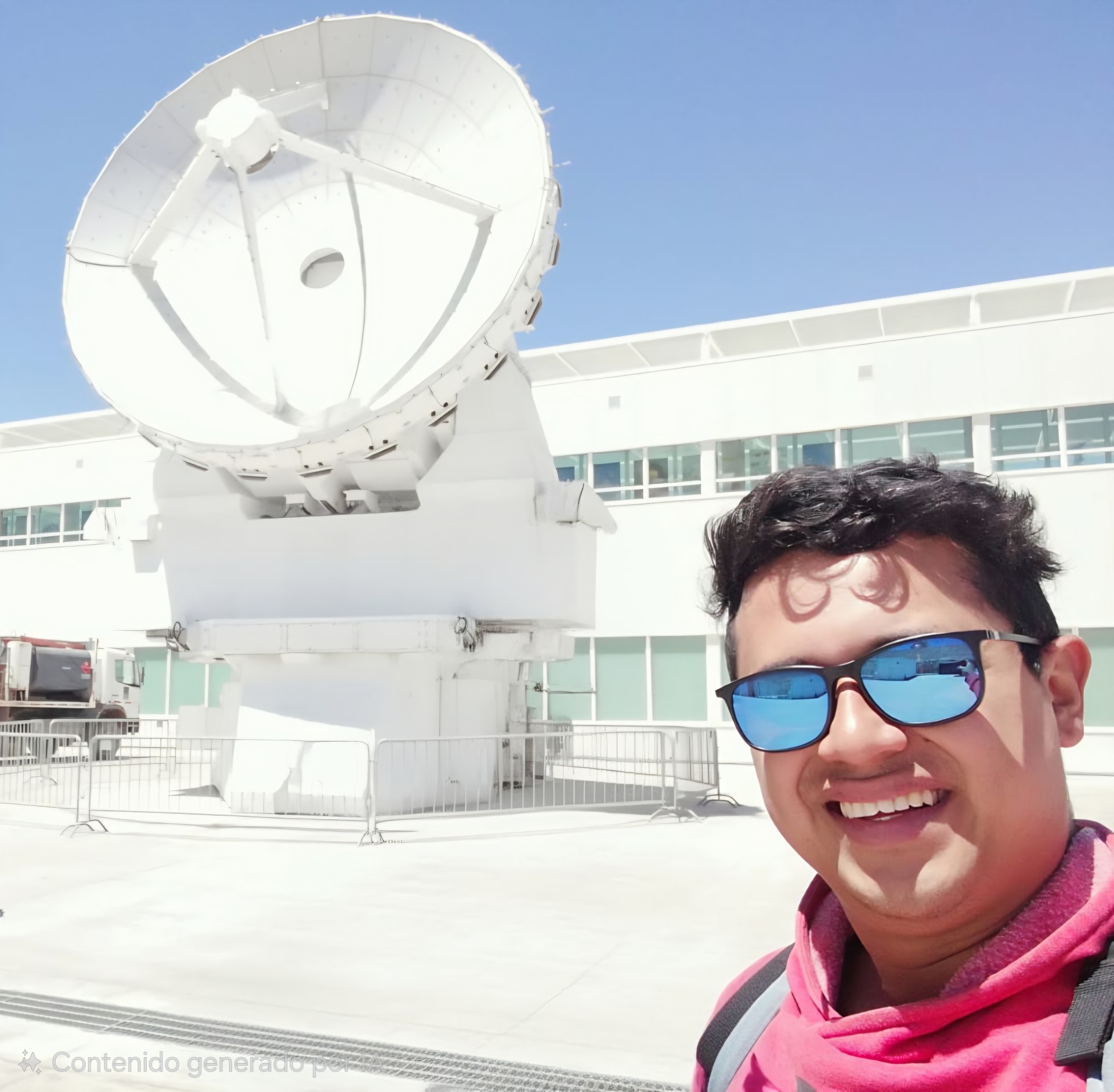
Jhonatan Campano
Jhonatan Campano is a dedicated and passionate astronomy guide, a pioneer of astrotourism and the founder of Atacama Tours, which operates The Roofless Experience under the world-famous dark skies of San Pedro de Atacama, Chile. For years, he has specialized in astronomy education, transforming complex astronomical concepts into accessible and breathtaking experiences for a diverse range of people around the world.
Operating year-round in one of Earth’s most extreme and astronomically significant environments, Jhonatan uses telescopes to observe the universe, guiding visitors through the wonders of the Southern Hemisphere. His hands-on approach to science communication seamlessly blends cultural heritage, scientific rigor and observation of the universe, fostering a profound connection between the general public and the cosmos.
A passionate advocate for the night sky, Jhonatan actively promotes the preservation of dark skies by integrating educational initiatives into the local community. Through these efforts, he raises awareness of the scientific and cultural importance of pristine skies, striving to protect one of Chile’s most valuable natural heritage sites for future generations.
As a local operator based in Chile, Jhonatan is excited to join the ACEAP 2026 cohort. His goal is to leverage his unique position in the Atacama Desert to bridge the gap between world-class astronomical facilities and the global public, promoting scientific literacy and inspiring the next generation of sky enthusiasts.
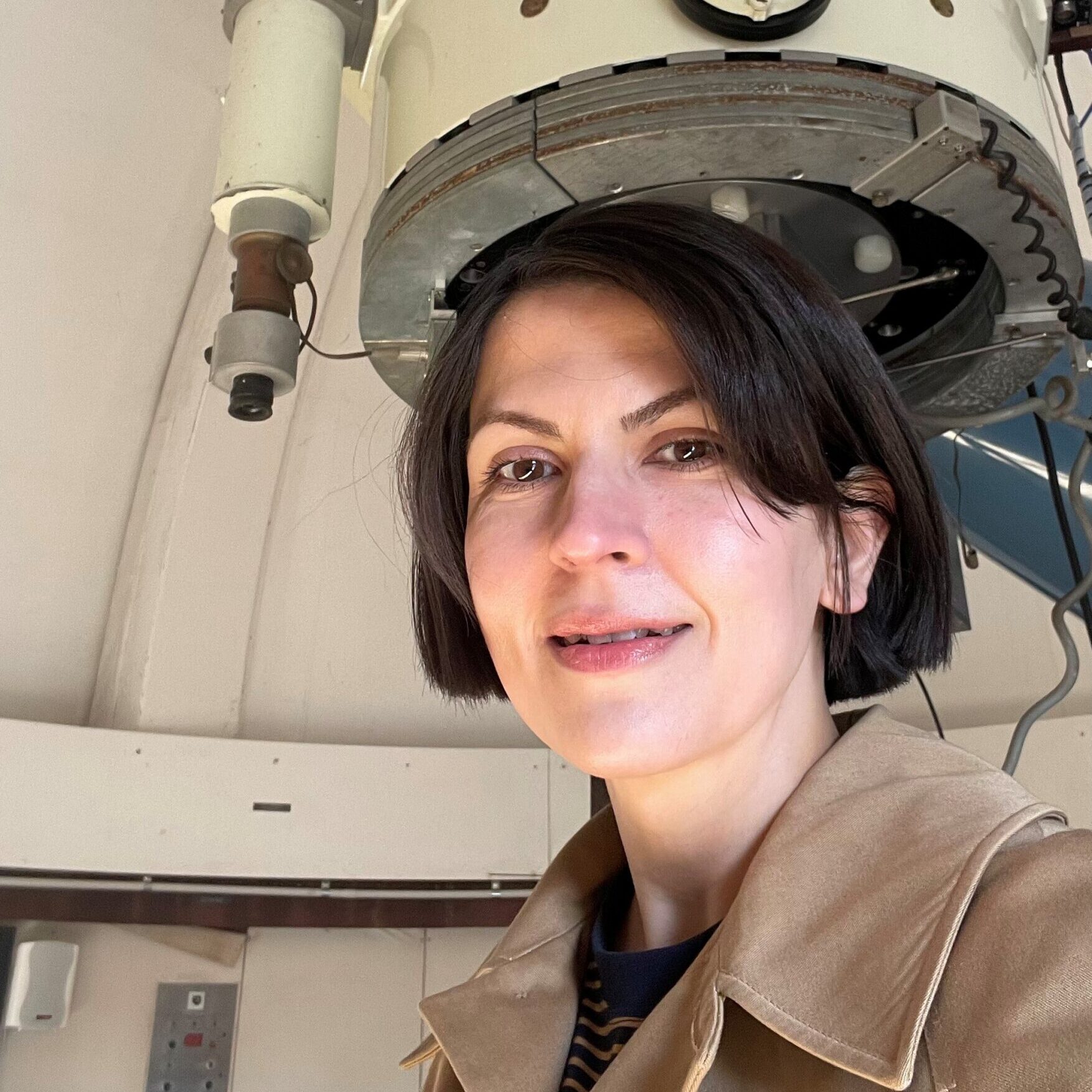
Samantha Dodras
Samantha Dodras is a mathematics educator and STEM leader from Perth, Western Australia, whose passion for mathematics and astronomy began with a fascination for understanding how the universe works. Inspired by both the elegance of mathematics and the engineering behind scientific discovery, she pursued studies in mathematics, mechanical engineering and astrophysics.
Samantha teaches mathematics at Methodist Ladies’ College, where she is passionate about fostering curiosity, resilience and a love of learning. Guided by this philosophy, she designed and introduced Mathematics Unbound, an enrichment course that extends well beyond the school curriculum through rich problem-solving experiences and open-ended exploration. The course encourages students to think deeply, embrace challenges and discover the joy of learning for its own sake. She is currently developing a specialist astronomy course that connects mathematics with real-world astronomical inquiry and contemporary space science.
Beyond her school, Samantha teaches in the Western Australian Mathematics Problem Solving Program, where she mentors mathematically gifted students from across the state, helping them develop advanced problem-solving skills while nurturing curiosity and creativity. She is passionate about creating meaningful STEM experiences that challenge students to ask questions, explore ideas and develop confidence as independent learners.
Samantha believes astronomy has a unique ability to spark wonder, transcend cultural boundaries and connect people through a shared curiosity about the universe. As an ACEAP Ambassador, she hopes to collaborate with educators across Australia, exchange innovative teaching practices, and inspire more young people to see mathematics, astronomy and science as exciting pathways for exploration and discovery.
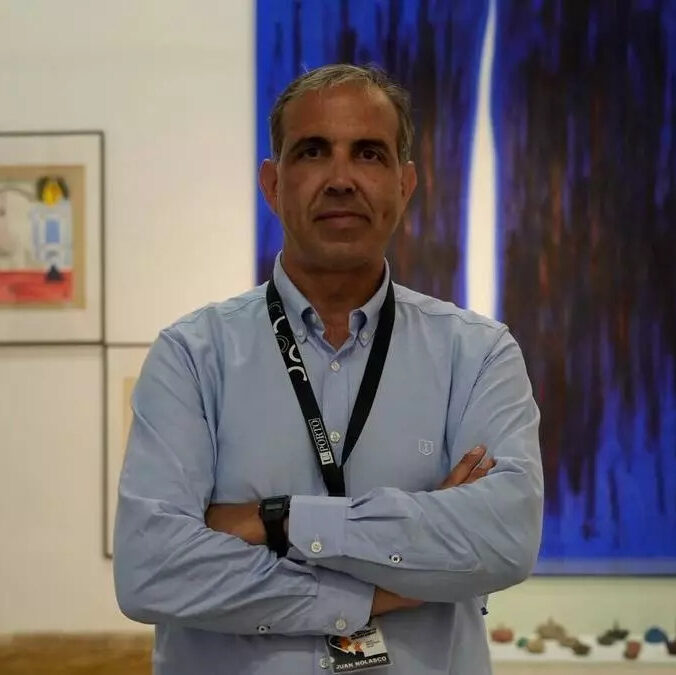
Juan Carlos Ferreira Nolasco
Juan Carlos Ferreira Nolasco is a Portuguese teacher, science communicator and space education specialist based in Porto. He works with the Outreach Unit of the Instituto de Astrofísica e Ciências do Espaço, developing educational and public engagement activities at the Planetário do Porto – Centro Ciência Viva. He also teaches secondary-school computer science and is pursuing graduate studies in Aerospace Engineering at the University of Aveiro.
For more than two decades, Juan has created hands-on STEM experiences for diverse audiences. His work brings together astronomy, robotics, coding, engineering and scientific inquiry. He has guided learners through ESA, NASA and CERN initiatives, including CanSat, Astro Pi, Moon Camp, Climate Detectives, Mission X and CERN Masterclasses, and has coordinated several high-altitude balloon projects. In 2025, he worked with the CESAR team at ESA’s European Space Astronomy Centre in Spain, developing digital resources for space science education.
Juan was named Portugal’s Teacher of the Year in 2013 and received the ESERO Portugal “Professor Espacial” award in 2023. He was selected as a Space Foundation Teacher Liaison in 2025 and served as IEEE Portugal Education Coordinator.
His astronomy outreach includes public talks and observing sessions across Portugal and Spain, classroom resources, teacher training, and school and community projects connecting astronomy with history, culture and technology.
Juan believes astronomy is most powerful when it brings people together, awakens curiosity and inspires learners to see themselves as active participants in science.
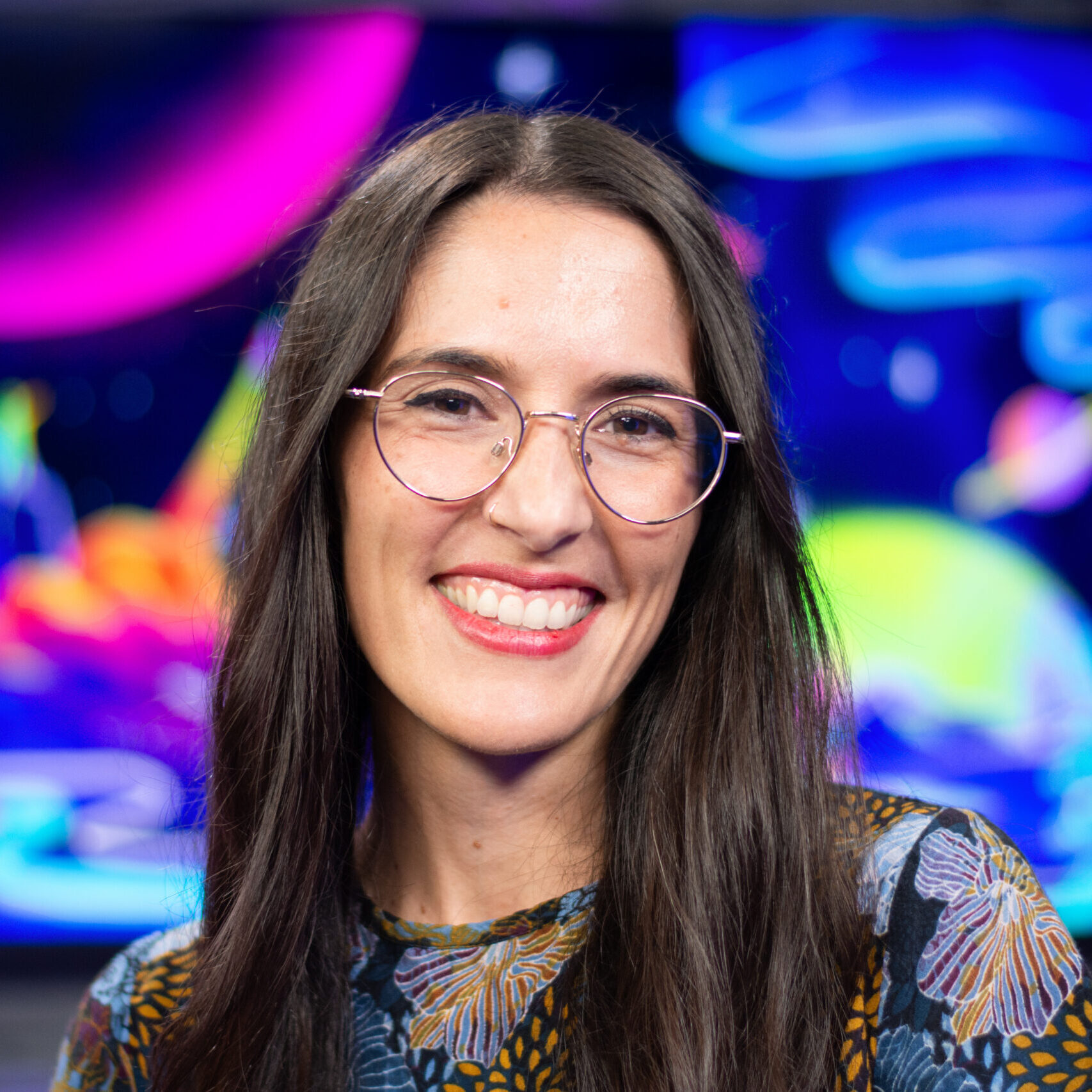
Noelia González
When she was ten years old, Noelia wrote and illustrated a handmade book called “Between the Moon and the Sun”. Looking back, she sees it as the beginning of a lifelong fascination with our place in the universe and humanity’s desire to explore it.
Growing up in Uruguay, she spent countless nights under the dark skies of her grandparents’ farm and quiet ocean beaches. Years later, while covering science as a journalist, she discovered ALMA and Chile’s extraordinary protected skies. The idea that some of humanity’s greatest discoveries begin beneath those skies stayed with her, inspiring a dream that lasted more than a decade.
That lifelong fascination with science, nature and storytelling took her to the University of California, Berkeley, where she earned a master’s degree in Multimedia Journalism with a specialization in science. For more than fifteen years, she has worked as a journalist and science communicator, with a growing focus on astronomy and space science. She is also the author of “Glow: A Family Guide to the Night Sky” (published in Spanish as Cosmos), a nonfiction children’s book that encourages families to step outside and explore the night sky together.
Today, she shares NASA’s science and exploration with millions of Spanish-speaking people around the world by writing, editing, producing and hosting multimedia stories. She also leads, writes and hosts “Universo curioso de la NASA”, the agency’s Spanish-language science podcast.
As a 2026 ACEAP Ambassador, she is thrilled to experience Chile’s world-renowned observatories firsthand and bring those stories back through the outreach work she loves most — school visits, community events, and digital storytelling — inspiring young people to explore the universe with curiosity and discover the global collaborations that make those discoveries possible.
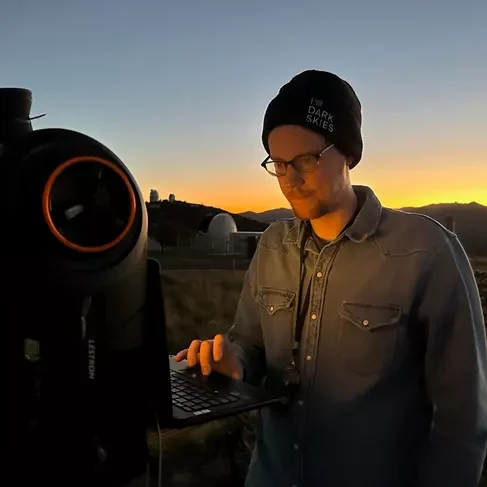
Stephen Hummel
Stephen Hummel is the Dark Skies Initiative Coordinator for McDonald Observatory, part of the University of Texas at Austin. Since 2020, his work has focused on preserving dark skies in the Big Bend region of Texas through informal education, outreach and relationship building. Hummel helped among others to create the Greater Big Bend International Dark Sky Reserve, the largest area in the world certified by Dark Sky International. Hummel works extensively with large industrial facilities, local governments and other stakeholders on lighting design and practices to preserve dark skies. An experienced astronomy and dark sky educator, Stephen has led hundreds of constellation tours and telescope viewing events, as well as training for state and national park staff. In early 2025, Hummel served as a Grand Canyon astronomer in residence. In his spare time, Hummel is an award winning astrophotographer with a specialty in rare electrical phenomena above nighttime thunderstorms. Hummel hopes to use the ACEAP experience to better understand U.S. involvement in Chile, the Chilean efforts to preserve the night sky, and cultural interpretations of the night sky.
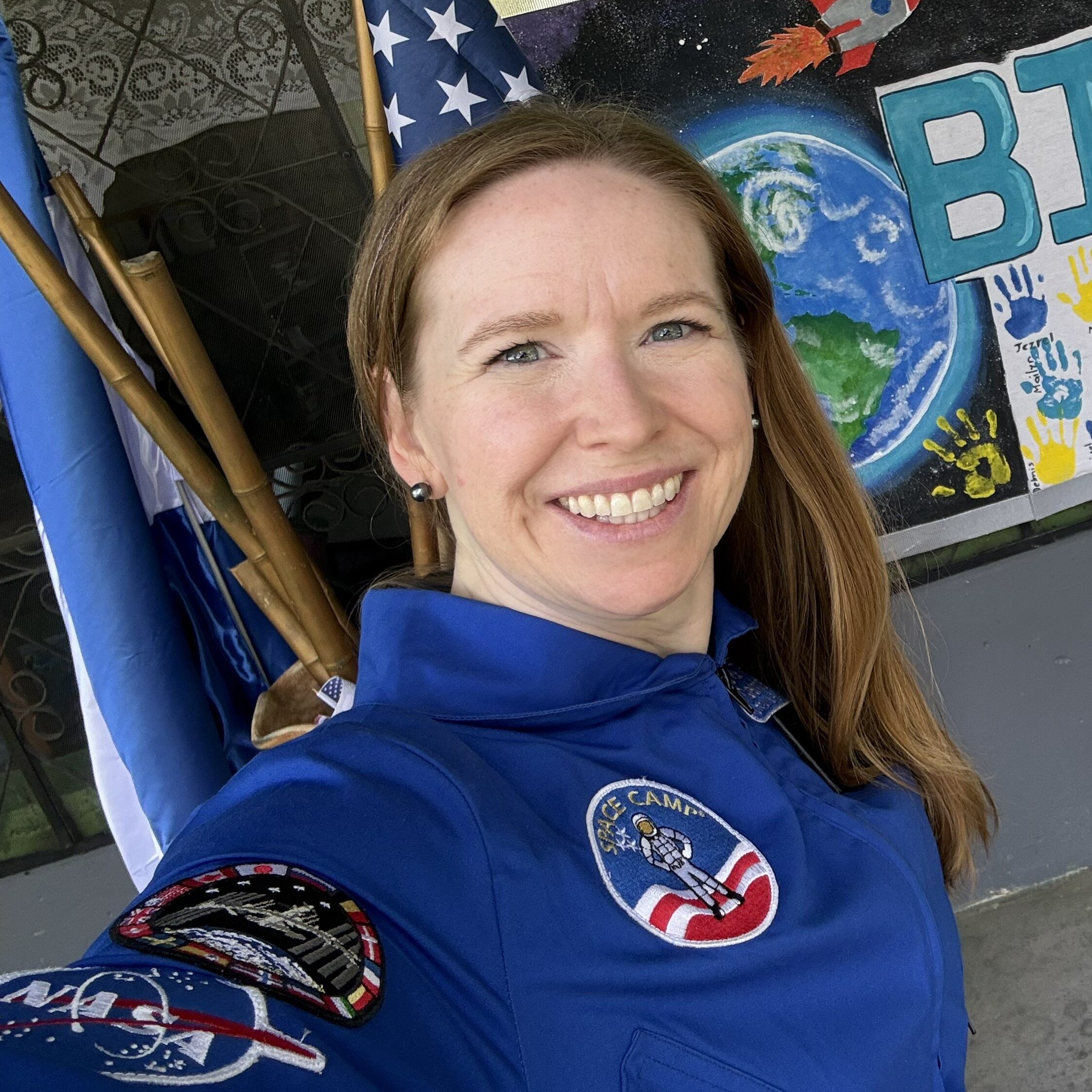
Raquel Jarabek
Jaquel Jarabek is an astronomy educator, aerospace engineer and science communicator based in Minneapolis, Minnesota. She serves as astronomy faculty at Minneapolis Community & Technical College, where she teaches astronomy courses to a diverse community college student population and is dedicated to making astronomy accessible, engaging and relevant to learners from all backgrounds. In recognition of her impact in the classroom, she was named the college’s Outstanding Educator for 2025-2026. Her commitment to equitable teaching practices has helped narrow achievement gaps while maintaining high student success rates.
Raquel brings more than two decades of experience in aerospace, space science and STEM education. Prior to entering higher education, she worked as a systems engineer for NASA contracting companies, contributing to development for NASA space launch systems that supported the Ares and Artemis programs. She also worked on spacecraft navigation and autonomous satellite technologies in collaboration with NASA Goddard Space Flight Center and conducted graduate research in astrodynamics and spacecraft trajectory optimization at the University of Maryland. Her aerospace experience includes participation in NASA’s Reduced Gravity Student Flight Opportunities Program and the NASA Space Life Sciences Training Program.
Raquel remains actively engaged with NASA through the NASA Community College Network and as a NASA Astronomy Activation Ambassador. She is also founder and organizer of Campamento de Espacio in Honduras, which provides interactive space camps for hundreds of children each year. Through her teaching, mentoring, outreach and volunteer work, she encourages humankind to discover the wonder and inspiration of astronomy.
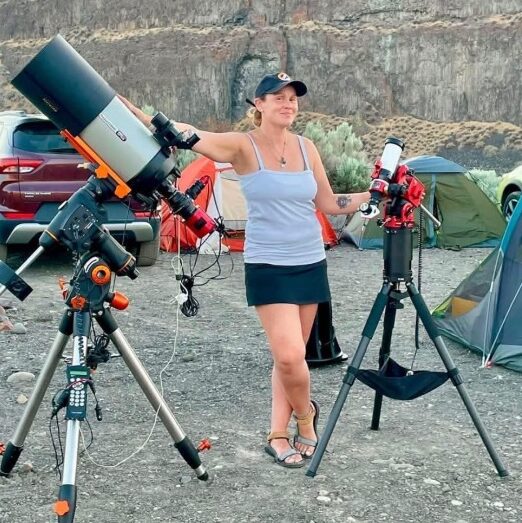
Jessica Marie Jones
Jessica Marie Jones is a mom, artist, educator, astrophotographer, science communicator and professional dork. Her love of space began when her uncle first propped a telescope on the hood of his car to show her Saturn. Growing up in Rhode Island, she also made regular trips to the Boston Museum of Science, where her curiosity about the universe continued to grow.
When her budget finally caught up with her interests, Jessica purchased her first telescope in 2012. After quickly realizing she had no idea where to point it beyond Saturn, she began attending events with the Palouse Astronomical Society. Since then, she has become an avid astrophotographer, organizing community star parties each summer and participating in astronomy outreach events throughout the region.
Jessica earned degrees in art education and studio art from the University of Idaho and is passionate about the connections between art and science. She currently teaches elementary art at Moscow Charter School, a STEAM-focused school, where she also leads a middle school rocketry club each spring after earning her own HPR1 certification.
For the past 11 years, Jessica has created and presented planetarium shows at the Washington State University Planetarium. One show she did caught the attention of Buzz Aldrin himself, whom she got to speak with on the phone. She also spent six years working at the Palouse Discovery Science Center, where she continues to volunteer, sharing science with the public through outreach programs and the center’s inflatable planetarium.
Jessica firmly believes astronomy is best experienced in informal learning environments, where curiosity can flourish and discovery is shared with others. Nothing compares to seeing the look of amazement on someone’s face as they observe something they have never seen before. Every time she witnesses that spark of wonder, she is reminded of the moment she first looked through her uncle’s telescope all those years ago.
Heidi Lavelle
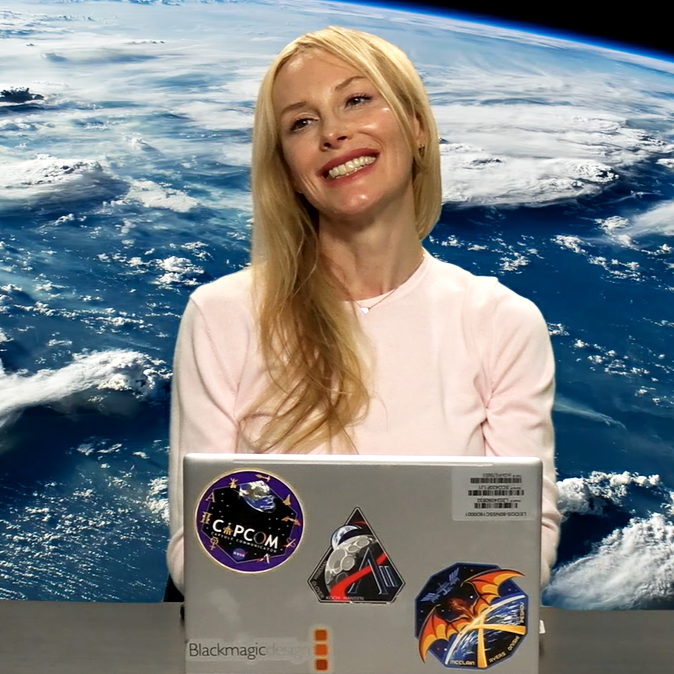
Heidi Lavelle has been captivated by space since childhood, and her career is all about sharing that fascination. A creative communicator, she uses her background in fine art and writing to make stories of exploration and discovery fun and accessible. This passion has been a constant from her early days as a public education intern at the California Coastal Commission to her time at NASA supporting social media and blogs for the International Space Station and Commercial Lunar Payload Services.
Currently, Heidi works in the Astronaut Office at NASA’s Johnson Space Center in Houston, where she helps connect astronauts with schools and community groups worldwide through virtual outreach events and video messages. She is the recipient of an IMOC Excellence Award for her efforts in connecting a global audience to the Artemis II mission, and a Superior Achievement Award for her innovative approach to on-orbit crew social media.
A committed community advocate, she has helped inspire the next generation through both art and STEM, recently completing community development training through the University of Kansas. Her dedication grew from her experience serving as an AmeriCorps family and youth engagement specialist in a bilingual community school where she taught art and literacy and helped increase youth and family involvement.
Driven by a belief in science diplomacy and international friendship through shared initiatives, she embodies the balance of an artist, a science communicator and a global citizen, all while blending her passions to connect people to the universe, one story at a time.
Alina Makovska
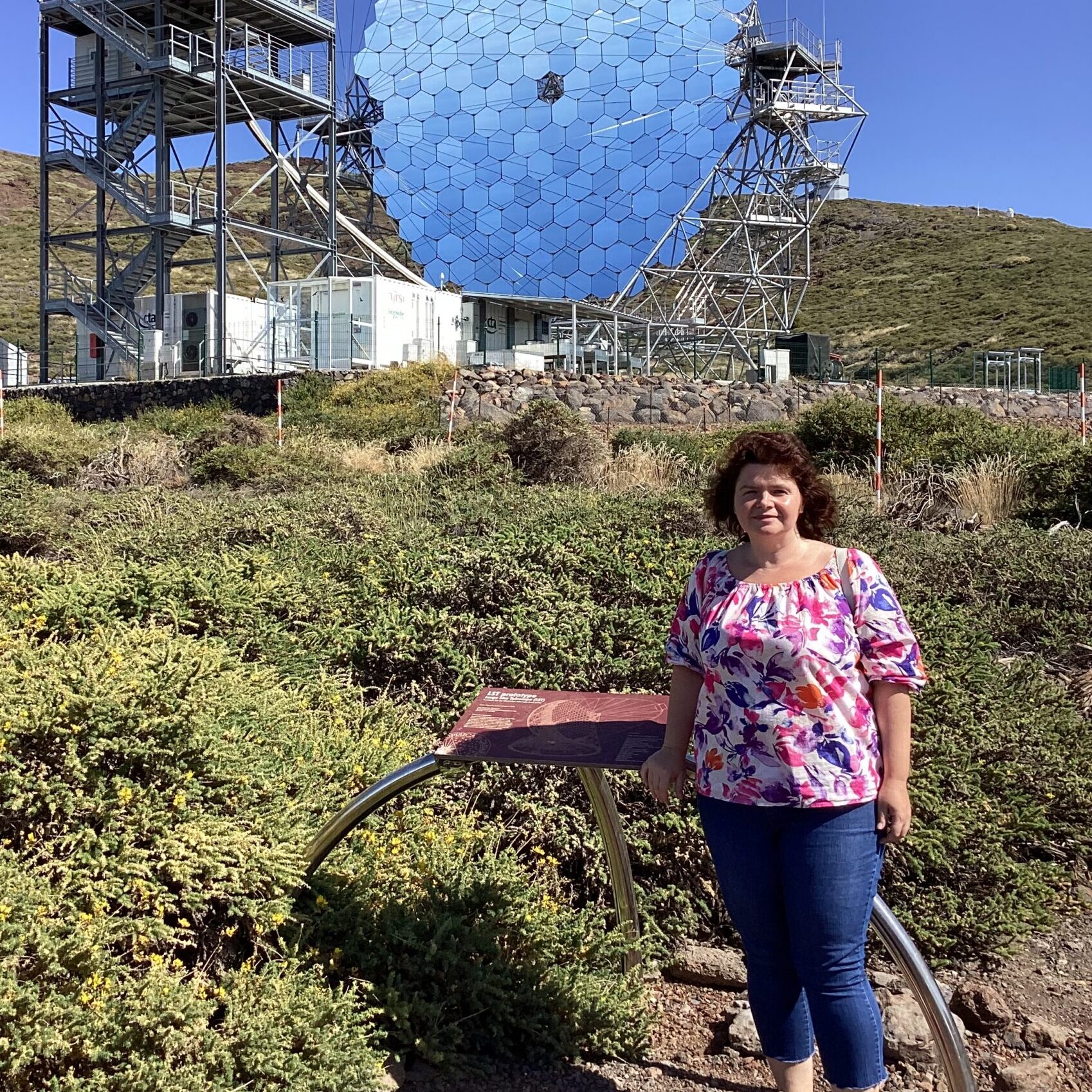
Alina Makovska is a physics, astronomy and IT teacher from Vilnius (Lithuania). Alina holds a bachelor’s degree in physics and applied computer science. She holds a master’s degree in astrophysics and a second master’s degree in applied informatics. During her studies, she spent an Erasmus semester at Uppsala University in Sweden, where she specialized in galaxies and dynamical processes in astrophysics. She also gained hands-on observational experience at the Molėtai Astronomical Observatory in Lithuania, which she now regularly visits with her students.
Alina is passionate about inspiring young people through space science. Her students won second place in Lithuania’s 2025 CanSat competition, and she has guided teams in the CERN Beamline for Schools competition, Astro Pi: Mission Zero, Asteroid search campaigns, astronomy Olympiads, and the national astronomy competition “Under the Starry Sky“, (Lithuanian: “Po žvaigždėtu dangum“). She also mentored a student research project using ESA’s EO Browser that reached the national final of the European Union Contest for Young Scientists.
She was the first teacher from Lithuania selected to attend professional development courses at the ESA Education Centre in Belgium, where she completed training in “Space Robotics Workshop“ and “Teach with Earth from Space Workshop“. She regularly integrates these experiences into her classroom.
Alina has also participated in professional development at CERN, ITER, GIREP conferences and the “Astronomy Education Adventure in the Canary Islands 2024” summer school. She is the Erasmus+ school projects coordinator, coordinating international educational projects and fostering collaboration with schools across Europe.
In 2025, Alina volunteered at international schools in Mexico, promoting STEM and astronomy education.
Nubia del Carmen Mena Murillo
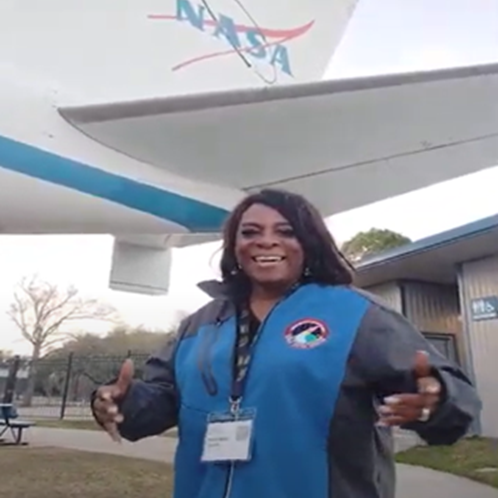
Nubia del Carmen Mena Murillo is a high school teacher specializing in physics and astronomy. She is a physics fellow with the Inter-American Teacher Education Network (RIED-OEA). Her first introduction and love for astronomy began as a student attending celestial navigation activities at the Jesús Emilio Ramírez González Planetarium Dome in Medellín, Colombia. Nubia is an active member of the MAE network, particularly AstroMae, where she collaborates with teachers at Parque Explora and the Medellín Planetarium. She has led citizen science programs during astronomical events in public libraries across the city. As part of the Galileo Teachers Training Program, she is involved with the Helios research group, working on classroom and open-classroom projects using astronomy as a tool for meaningful learning. She has organized expeditions for observing total solar eclipses in South Carolina, U.S. (2017), La Serena, Chile (2019), and Fort Worth, Texas (2024), as well as the annular solar eclipse in Buga, Colombia (2023). Her professional development includes an expedition in the Canary Islands with the Institute of Astrophysics of the Canary Islands (IAC) at the Canary observatories. Nubia is part of the “Misión Educativa Libertad” group, which promotes culture and knowledge in aerospace sciences education in Colombia. Annually in February, she participates in the SEEC (Space Exploration Educators Conference) at Space Center Houston. She is part of the SEEC Crew SCH, a VIP educator group at Space Center Houston, and serves as the First Officer of Misión Educativa Libertad. Nubia trains teachers and students in astronomy in rural areas of the Colombian Pacific.
Theresa Summer
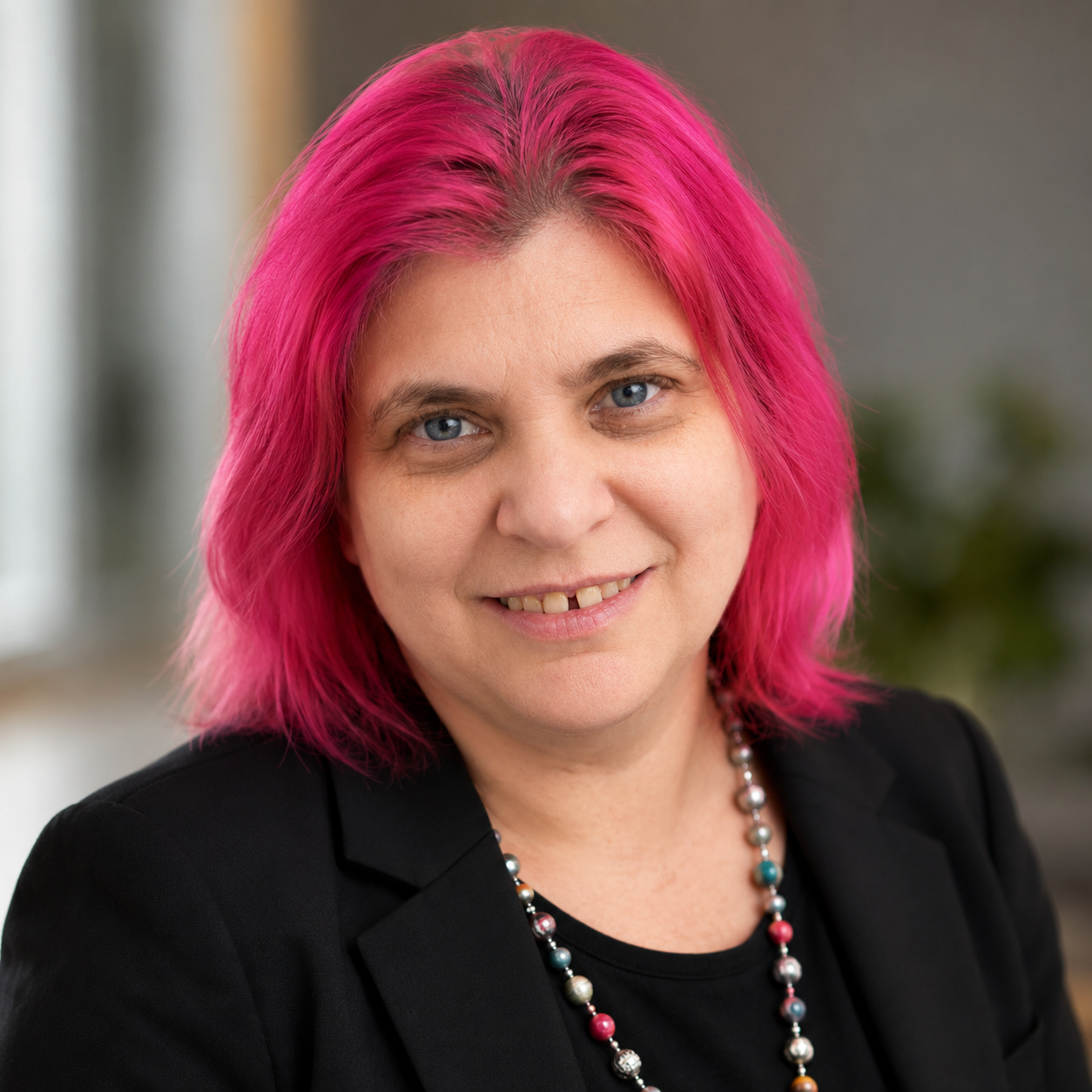
For over 25 years, Theresa Summer has been welcoming people to the sky. She is the senior astronomy education specialist at the Astronomical Society of the Pacific (ASP), a San Francisco-based education nonprofit, where her work spans curriculum and resource development, professional development for educators, and accessibility-focused astronomy programming. She holds degrees in astronomy and physics from San Francisco State University and in theater, education and empowerment from Eugene Lang College — a combination that shapes how she thinks about making the night sky feel personal and immediate, not just informational. Over her career, Theresa has worked across planetariums, museums, K-12 classrooms and professional development settings, contributing to long-running national programs including the Night Sky Network, International Observe the Moon Night, Eclipse Ambassadors and the Girl Scout astronomy partnership with the SETI Institute. She has a particular focus on accessibility and inclusion in astronomy outreach, having helped develop the Big Astronomy accessibility toolkits and the Ways of Knowing cultural astronomy card series, which centers non-Western sky knowledge. She also proposed the name for AAS’s Committee for Accessibility Rights and Equity (CARE), officially adopted this year. She fell in love with the stars when there was a city-wide blackout. Seeing all the glistening lights sparkling in the heavens was a magical moment. And she can’t wait to see the southern skies in Chile! Theresa lives in the San Francisco Bay Area with her partner Cris and 16 year old. Outside of work, she enjoys traveling, hiking, birding, dancing and playing board games. She is thrilled to join the 2026 ACEAP Ambassadors and to bring the experience of Chile’s dark skies and world-class observatories back to the educators and communities with whom she works, especially those who have been left out of astronomy.
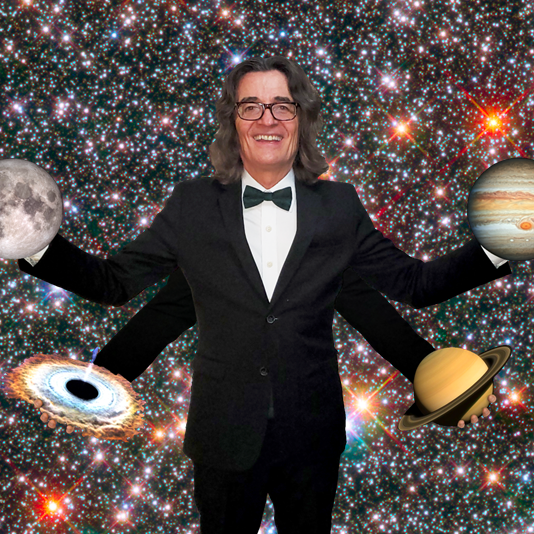
Tom Vassos
Tom Vassos, BES, MBA, is an astronomer and member of the Royal Astronomical Society of Canada. He is a longtime instructor at the University of Toronto (40+ years) and his research focuses on the apparent size of multiwavelength objects. Tom is the author of several books in “The Inspiring Universe Collection.” He is a science communicator who is frequently invited as a guest expert on radio and television. Tom is the astronomer-in-residence for several cruise lines, and leads astronomy, aurora, glacier, archaeoastronomy and eclipse expeditions around the world. He served as the astronomer-in-residence for York University at the Killarney Park Dark Sky Preserve in Canada. Tom has a Bachelors of Environmental Studies from the University of Waterloo and an MBA from the University of Toronto.